

Raspberry Rose Prebiotic Soda: Regulatory Trends Shape Beverage Markets

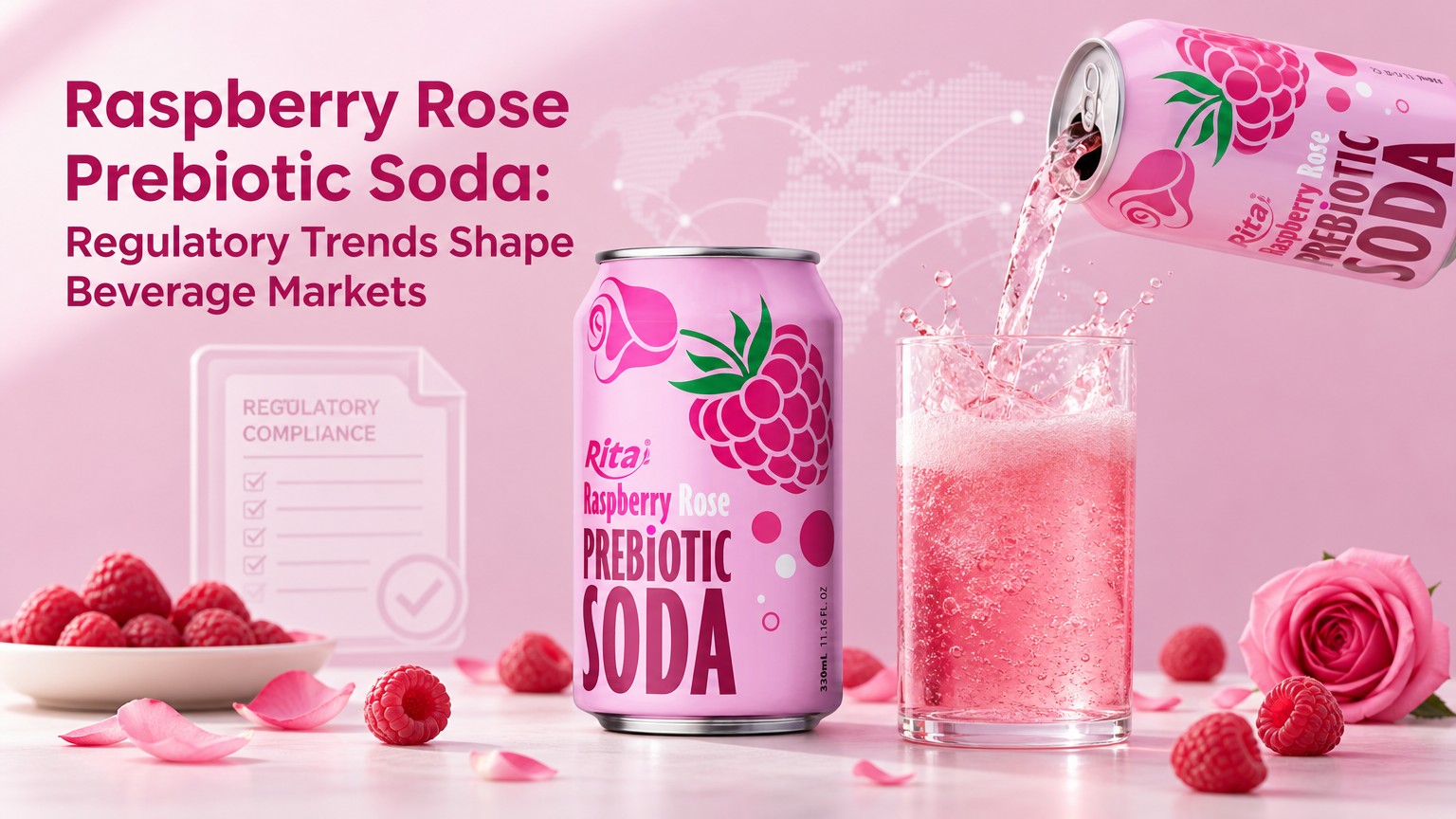
In the dynamic world of non-alcoholic beverages, regulatory compliance is increasingly becoming a cornerstone of market entry and consumer trust. For innovative products like the Raspberry Rose Prebiotic Soda, navigating the complex standards of key Asian markets requires a blend of formulation expertise and rigorous quality assurance. This 330ml short can offering from RITA represents a intersection of floral-fruity taste and adherence to international food safety norms, positioning it as a case study in modern beverage development.
Key Takeaways
- Regulatory frameworks in Japan and South Korea are shaping product development for premium carbonated drinks.
- International certifications such as FSSC 22000, BRC, and HACCP are critical for market access.
- The rise of prebiotic sodas reflects a consumer shift towards sophisticated, compliant flavor profiles.
- RITA's OEM/ODM capabilities provide a scalable pathway for brands to meet diverse regulatory demands.
- Visual branding and ingredient transparency are key to appealing to discerning consumers in regulated markets.
Regulatory Landscape for Prebiotic Sodas in Key Markets
The demand for beverages that are both innovative and compliant is particularly pronounced across the islands of Honshu, Hokkaido, Kyushu, and Shikoku in Japan, as well as metropolitan hubs like Seoul, Busan, and Incheon in South Korea. Consumers in these regions exhibit a keen awareness of ingredient lists and production standards, making regulatory alignment a non-negotiable aspect of brand strategy. Prebiotic sodas, with their emphasis on specific dietary fibers and natural flavor pairings, fall under stringent scrutiny regarding labeling claims and additive usage.
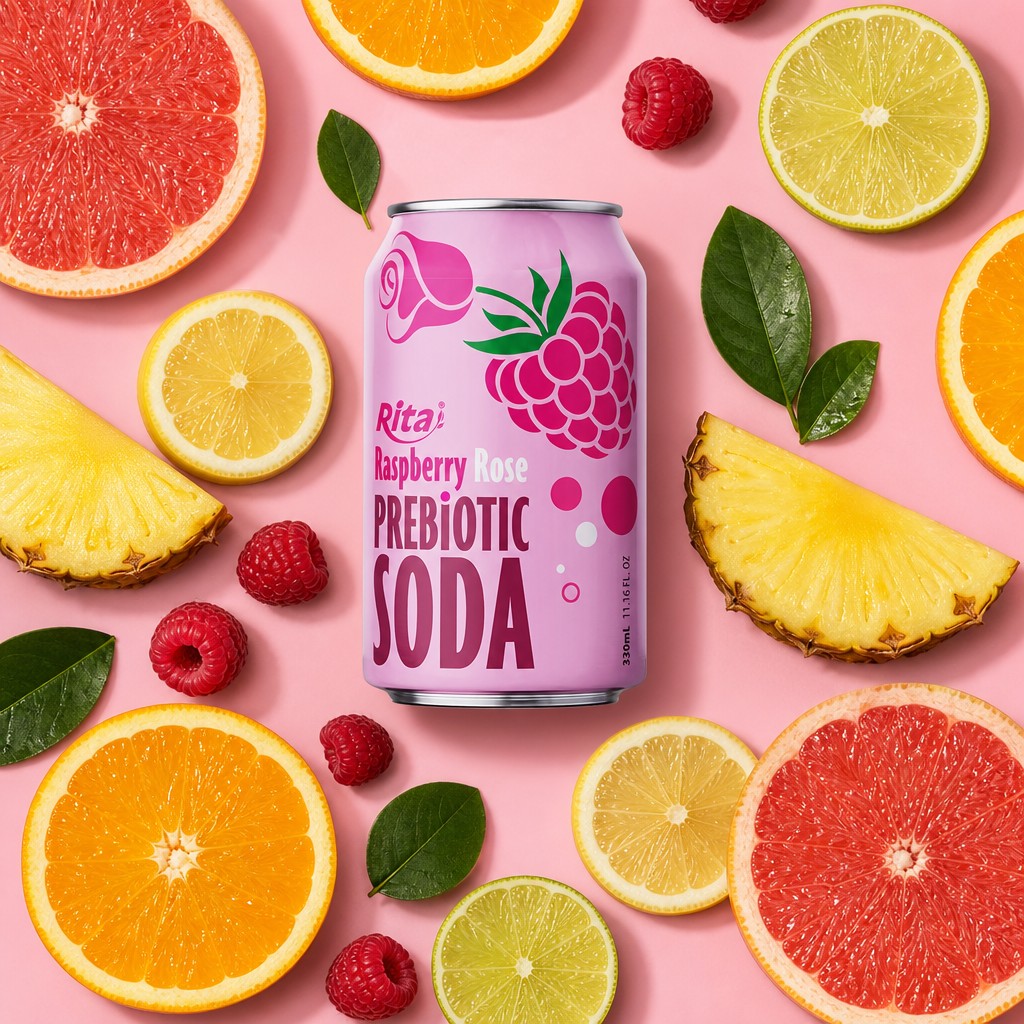
RITA's Raspberry Rose Prebiotic Soda is designed with this context in mind. Its formulation avoids controversial additives, focusing instead on the harmonious blend of raspberry sweetness and the soft aroma of rose petals. The product's pastel pink label, adorned with stylized fruit and floral illustrations, not only captures the aesthetic sensibilities of these markets but also clearly communicates ingredients in compliance with local language and transparency requirements. This alignment between visual appeal and regulatory clarity is a hallmark of successful products in the premium soda segment.
The regulatory journey for such a product involves multiple layers. From the initial product concept to the final aluminum can, each step must adhere to standards set by bodies like Japan's Ministry of Health, Labour and Welfare and South Korea's Ministry of Food and Drug Safety. This includes precise declarations of carbonation levels, sweetener profiles, and any functional ingredients like prebiotics. The market's preference for convenient, on-the-go formats like the 330ml short can further adds packaging compliance considerations, from material safety to recycling symbols.
Product Compliance and Certifications
Achieving market readiness is built upon a foundation of verifiable quality systems. RITA Food and Drink Co., Ltd., established in 2004, operates with a portfolio of globally recognized certifications that serve as a passport for international trade. For the Raspberry Rose Prebiotic Soda, relevant certifications include ISO 22000 for food safety management, HACCP for hazard analysis, and FSSC 22000, which is particularly valued in the European and Asian markets for its comprehensive framework.
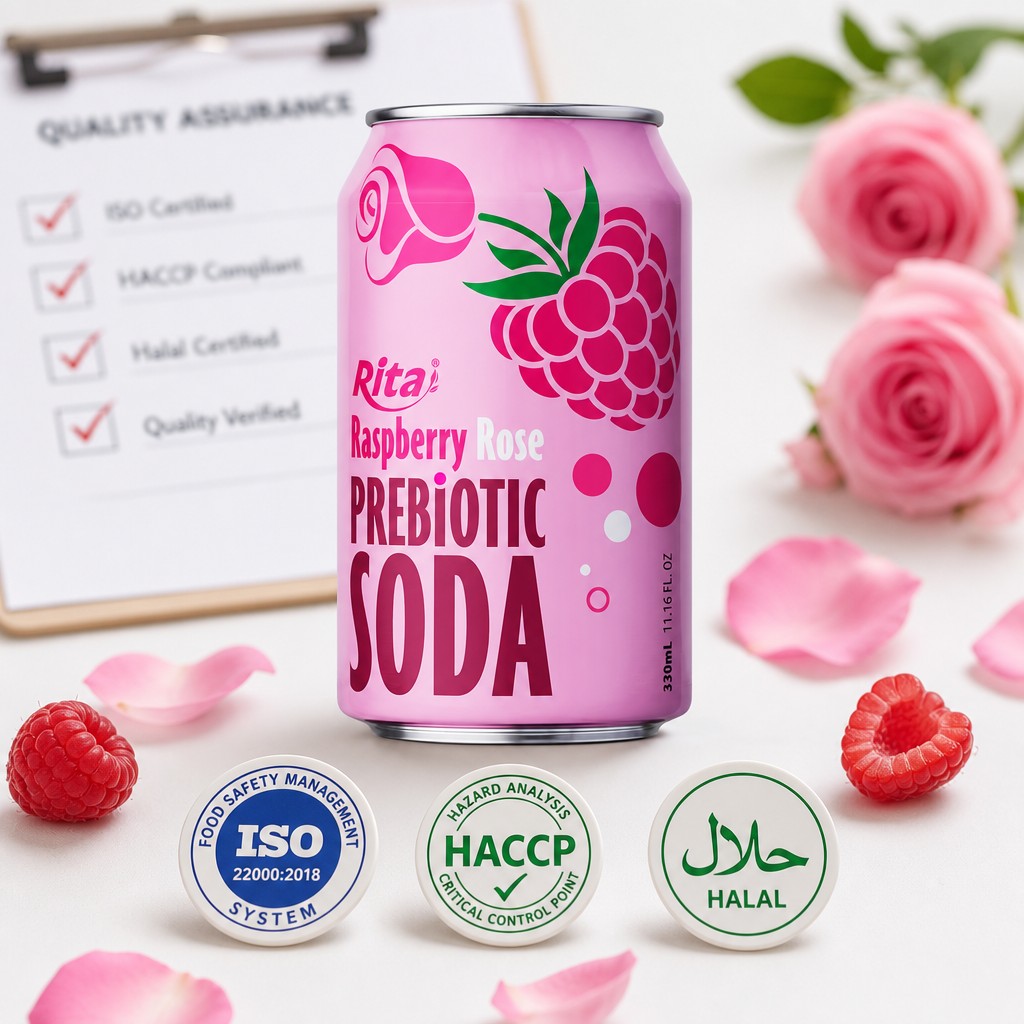
Additional certifications like BRC (British Retail Consortium) for food safety and GMP (Good Manufacturing Practices) ensure that production processes are consistent and traceable. Crucially, for markets with significant Halal and Kosher consumer bases, the Halal Jakim and Kosher certifications provide essential access. These credentials are not merely stamps on a page; they represent ongoing audits and a commitment to maintaining standards that meet the rigorous demands of importers in Japan and South Korea, where supply chain transparency is highly regulated.
The product's documentation, including its 24-month shelf life and detailed specifications, is prepared to satisfy the dossier requirements of regulatory submissions. In an era where a single compliance issue can lead to product recalls and brand damage, RITA's infrastructure of over 50 automated production lines and monthly export capacity of 1,200+ containers underscores its ability to deliver compliant products at scale. This OEM/ODM expertise allows brands to focus on market strategy while relying on a manufacturer with proven regulatory navigation capabilities.
Ensuring Quality Through Supply Chain Excellence
Regulatory compliance begins at the source. The quality of raw ingredients directly impacts the final product's ability to meet stringent standards. For fruit-flavored beverages like the Raspberry Rose Soda, this means securing high-quality inputs that are free from contaminants and meet agricultural best practices. While raspberries and rose extracts are globally sourced, the broader context of supply chain integrity is paramount for market acceptance.
RITA's approach to sourcing emphasizes partnerships and traceability. A testament to this is their investment in raw material areas, such as the high-quality ingredient sourcing from Mekong Delta fruit farms. This region is renowned for its fertile land, providing a diverse range of fruits that adhere to international agricultural standards. By establishing clear traceability from farm to factory, RITA can guarantee the purity and consistency of ingredients like those used in their fruit juice and flavored soda lines.
For producers looking to develop similar prebiotic or fruit-based drinks, understanding the farm-to-bottle journey is critical for regulatory documentation. The process involves regular audits, soil testing, and harvest protocols that ensure raw materials are suitable for processed beverage production. This foundational work supports the creation of products that can withstand the scrutiny of customs inspections and lab testing in destination countries.
https://www.youtube.com/watch?v=jiBixXjeG8A
Market Access and Export Strategies
Securing regulatory approval is only the first step; effective market access requires strategic planning and logistical precision. For export-focused manufacturers like RITA, which serves over 200 countries and territories, understanding the specific import regulations of target markets is essential. In Japan and South Korea, this includes navigating tariff structures, labeling translations, and often, specific local agency approvals for novel food categories like prebiotics.
Market and Export Overview
Annual Trend
| Year | Trade Count | Total Value (USD) | Total Weight (kg) | Total Quantity (units) | YoY % |
|---|---|---|---|---|---|
| 2025 | 2 | 65 | 75 | 32 | N/A |
| 2026 | 1 | 241 | 150 | 0 | Trade count: -50%, Value: +270%, Weight: +101%, Quantity: N/A |
Data source: Tradesparq Trade Data (tradesparq.com)
Top Origin Countries
| Country | Trade Count | Total Value (USD) | Total Weight (kg) | Total Quantity (units) | Market Share % |
|---|---|---|---|---|---|
| United States | 3 | 306 | 225 | 32 | 100% |
Data source: Tradesparq Trade Data (tradesparq.com)
Top Destination Countries
| Country | Trade Count | Total Value (USD) | Total Weight (kg) | Total Quantity (units) | Market Share % |
|---|---|---|---|---|---|
| Peru | 2 | 65 | 75 | 32 | 67% |
| Philippines | 1 | 241 | 150 | 0 | 33% |
Data source: Tradesparq Trade Data (tradesparq.com)
The trade data indicates that the United States is the sole origin market, accounting for 100% of all trade volumes. Destination markets are concentrated in Peru and the Philippines, with Peru representing 67% of trade count and the Philippines 33% of trade value.
Annual trends show a polarized pattern: trade count decreased by 50% from 2025 to 2026, while total trade value surged by 270%. Total trade weight increased by 101%, and total quantity dropped to zero in 2026, reflecting a shift in product categories.
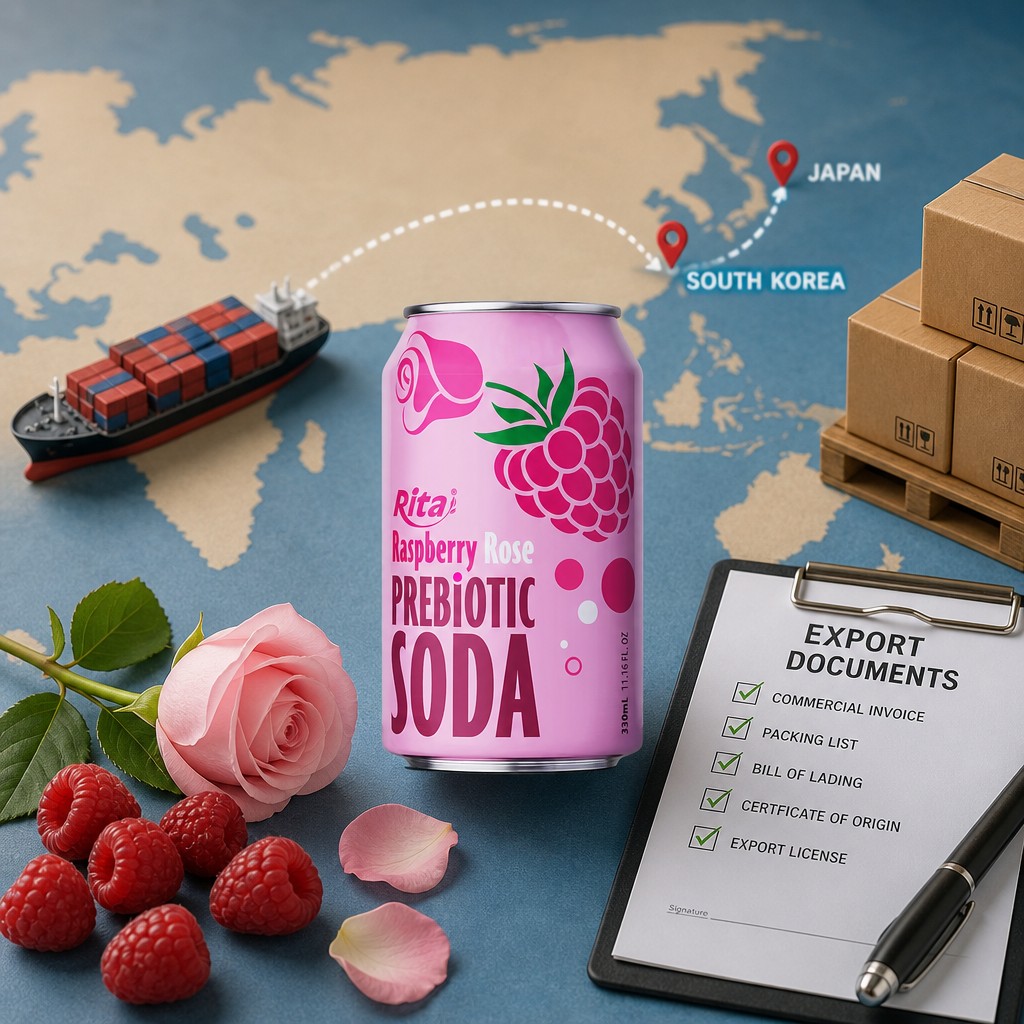
The logistics of delivering a 330ml short can product involve more than just shipping. It requires cold chain management for certain formulations, though this soda's ambient stability is an advantage. Port selection, such as Ho Chi Minh Port, and delivery timelines of 20-25 days are planned to meet retailer restocking cycles. For brands, partnering with an OEM that has established export channels and understands the paperwork—bills of lading, certificates of origin, and phytosanitary certificates—can drastically reduce time-to-market.
In the competitive beverage landscape, product differentiation must be matched by regulatory agility. The ability to quickly adapt formulations to meet changing regulations, such as sugar taxes or new labeling laws in Asia-Pacific regions, is a significant competitive edge. RITA's private label solutions and flexible MOQ (Minimum Order Quantity) enable brands to test markets with compliant products without massive upfront investment, a key consideration in a regulated industry.